IPL – Dry Eye Syndrome
IPL — An ideal & bright solution for dry eye treatment
LUMENIS — the world's only FDA-cleared product for IPL therapies
Overview
What is dry eye syndrome?
Dry eye syndrome is a chronic condition in which the eyes are insufficiently lubricated or the tear film is unstable. Patients experience burning, stinging, a feeling of "sand in the eyes", eye fatigue, transient blurred vision and light sensitivity. Traditional methods (artificial tears, ointments, warm compresses) often bring only short‑term relief and do not address the underlying cause.
In most patients, the main cause is meibomian gland dysfunction (MGD). These glands produce the lipid layer of the tear film, which protects the tears from evaporating too quickly. When the glands are blocked or chronically inflamed, the tear film becomes unstable — tears "escape" from the ocular surface and symptoms of dryness increase.
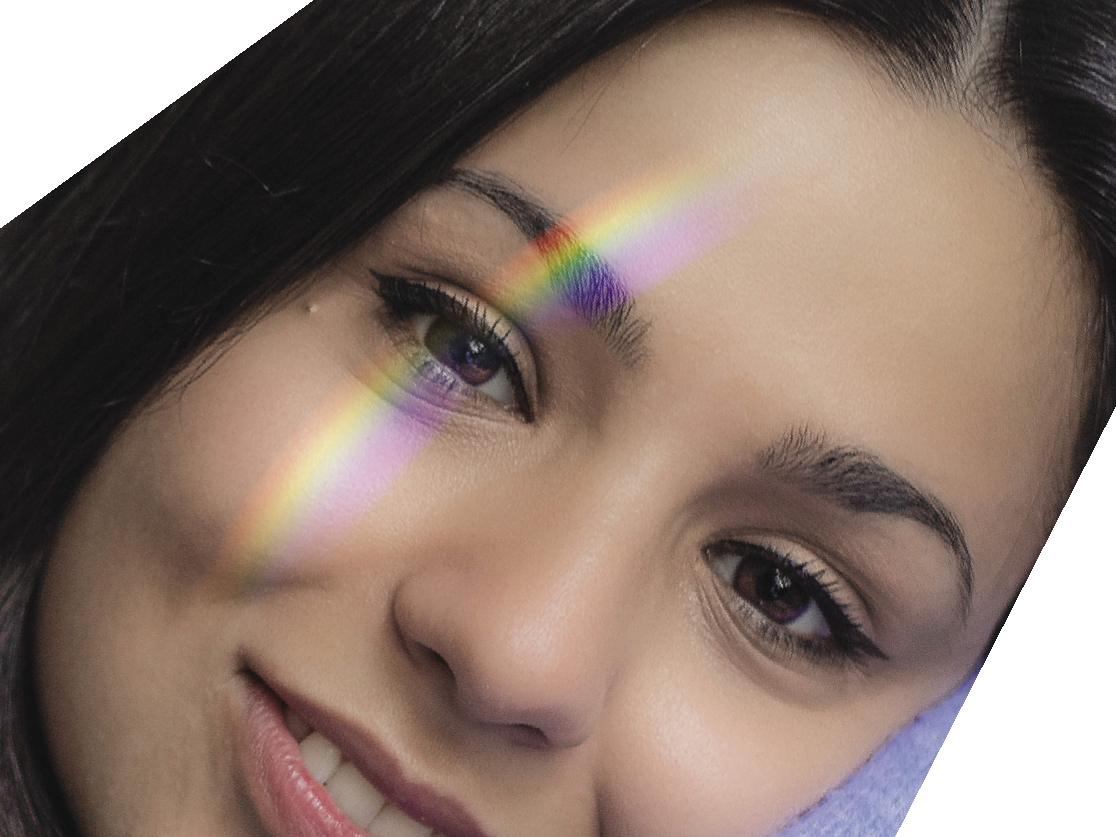
IPL (Intense Pulsed Light) is a modern, non‑invasive method of treating dry eye syndrome related to MGD. During the procedure, short pulses of light with carefully selected wavelength are applied to the skin in the lower eyelid and cheek area. The light gently warms and liquefies the stagnant secretion in the meibomian glands, reduces inflammation and improves gland function.
Procedure
How does the procedure work,
step by step?
- Before the procedure, the doctor takes a detailed history and examines you for dry eye and MGD.
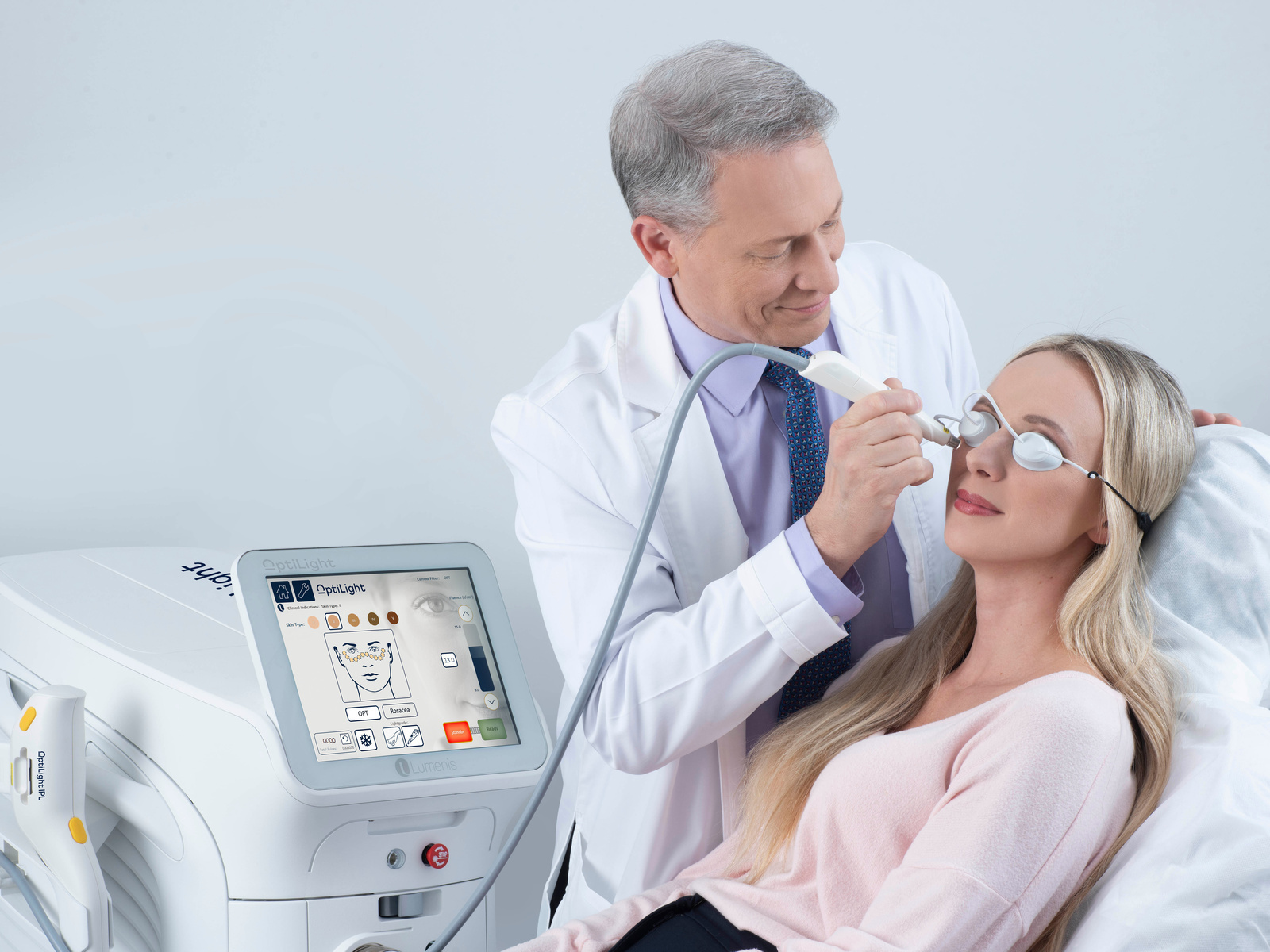
- The skin is cleansed, sensitive areas are covered with a protective gel and your eyes are protected with special goggles.
- The doctor applies the device handpiece to the skin in the cheek and lower eyelid area and delivers a series of short light pulses.
- The whole procedure usually takes about 10–15 minutes and is well tolerated; you can return to your daily activities immediately afterwards.
- Very often, meibomian gland expression is performed directly after IPL to remove the liquefied secretions.

Benefits
What are the benefits of IPL?
With a series of IPL treatments you can achieve:
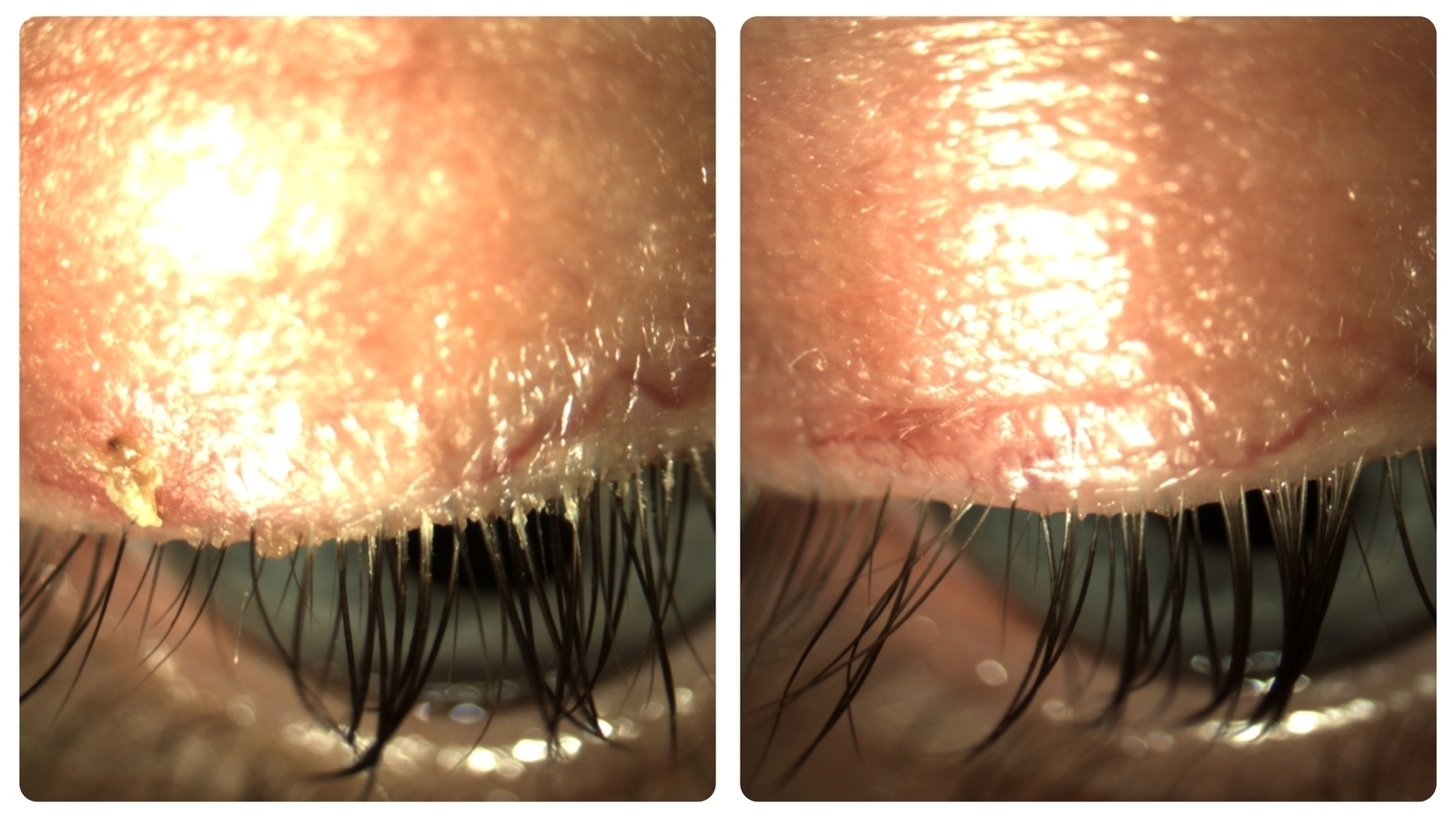
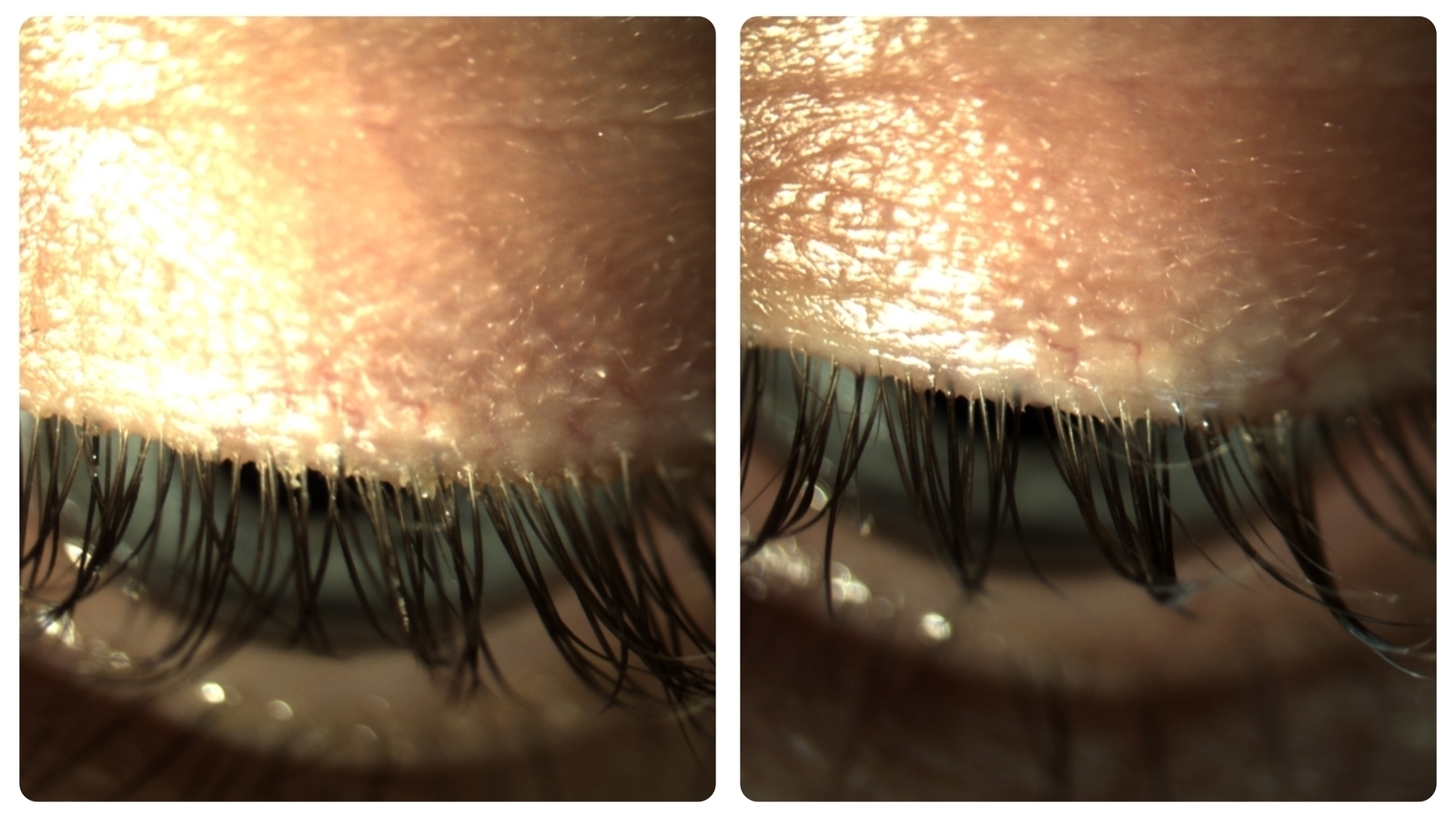
- Liquefaction and removal of thickened secretions from the meibomian glands.
- Improved gland function and better quality of the lipid layer of the tear film.
- Reduced tear evaporation and stabilisation of the tear film.
- Reduction of eyelid and skin inflammation (e.g. in ocular rosacea).
- Decrease in abnormal blood vessels along the lid margins.
- Reduction of bacterial load and Demodex mites on the eyelashes.
For the patient this means:
- Less dryness, burning and stinging.
- Fewer episodes of blurred vision and eye fatigue.
- Greater comfort when working at a computer and in air‑conditioned rooms.
3–4
Recommended sessions
~15'
Session duration

Safety
Contraindications and safety
IPL is a safe method — in our practice performed with the most modern equipment and the only one authorised by the FDA (Food and Drug Administration). Before starting therapy, the doctor will discuss the potential benefits and any limitations in detail.
The main contraindications include:
- Very dark skin phototype.
- Use of photosensitising medications.
- Active infections or suspicious skin lesions in the treatment area.
- Pregnancy (depending on device manufacturer's recommendations and medical advice).
For Whom
Who is IPL suitable for?
IPL for dry eye treatment is particularly recommended for:
- Patients with confirmed meibomian gland dysfunction (MGD).
- People with chronic dry eye in whom artificial tears and standard therapy give insufficient relief.
- Patients with ocular rosacea, chronic blepharitis or Demodex infestation.
Eligibility for treatment is always decided by an ophthalmologist after examination.
Why is IPL an "ideal" solution? It targets the cause of the disease (MGD), not just the symptoms — it is non‑invasive, quick and can reduce the need for frequent use of lubricating drops and other medications.
Sessions
How many sessions are needed?
A standard course consists of 3–4 sessions at intervals of 2–4 weeks. Many patients notice the first improvement after 1–2 sessions, with a fuller effect after completing the whole series.
Depending on disease severity, maintenance treatments every few months may be recommended to sustain the results.
IPL is a modern and effective part of comprehensive dry eye management — especially in evaporative forms related to meibomian gland dysfunction.
Treatment Video
IPL treatment for dry eye syndrome
Treatment Video
More information about IPL
Downloads