IPL – MGD & Chalazion Treatment
IPL — Innovative, non-invasive treatment for Meibomian Gland Dysfunction and chalazion
LUMENIS — the world's only FDA-cleared product for IPL therapies
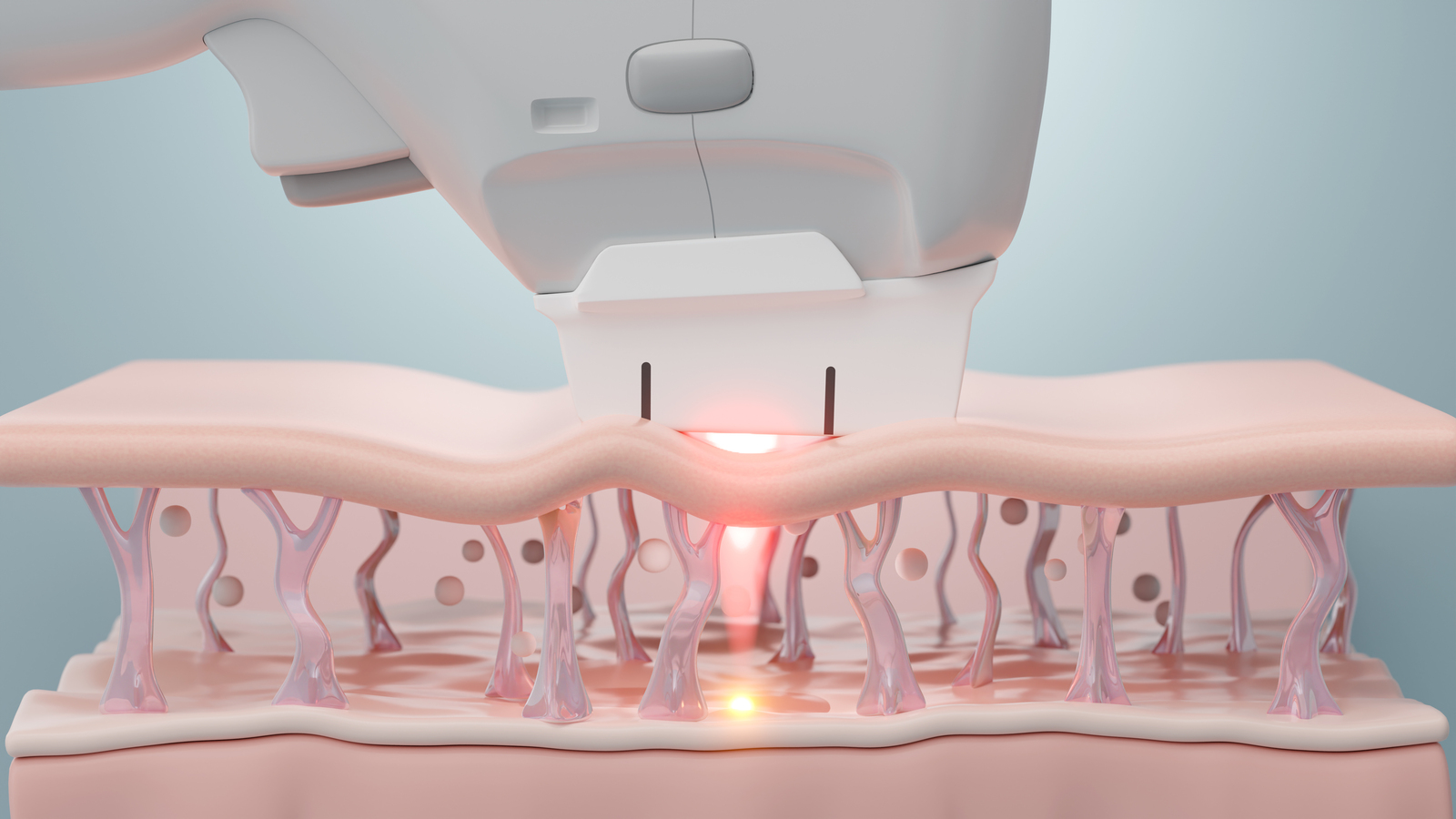
Mechanism
What is MGD and Chronic Blepharitis?
Meibomian Gland Dysfunction (MGD) is the leading cause of evaporative dry eye and chronic blepharitis, affecting millions worldwide.
IPL (Intense Pulsed Light) therapy offers a proven, non-invasive solution to restore gland function, reduce inflammation, and alleviate symptoms like redness, irritation, and blurred vision.
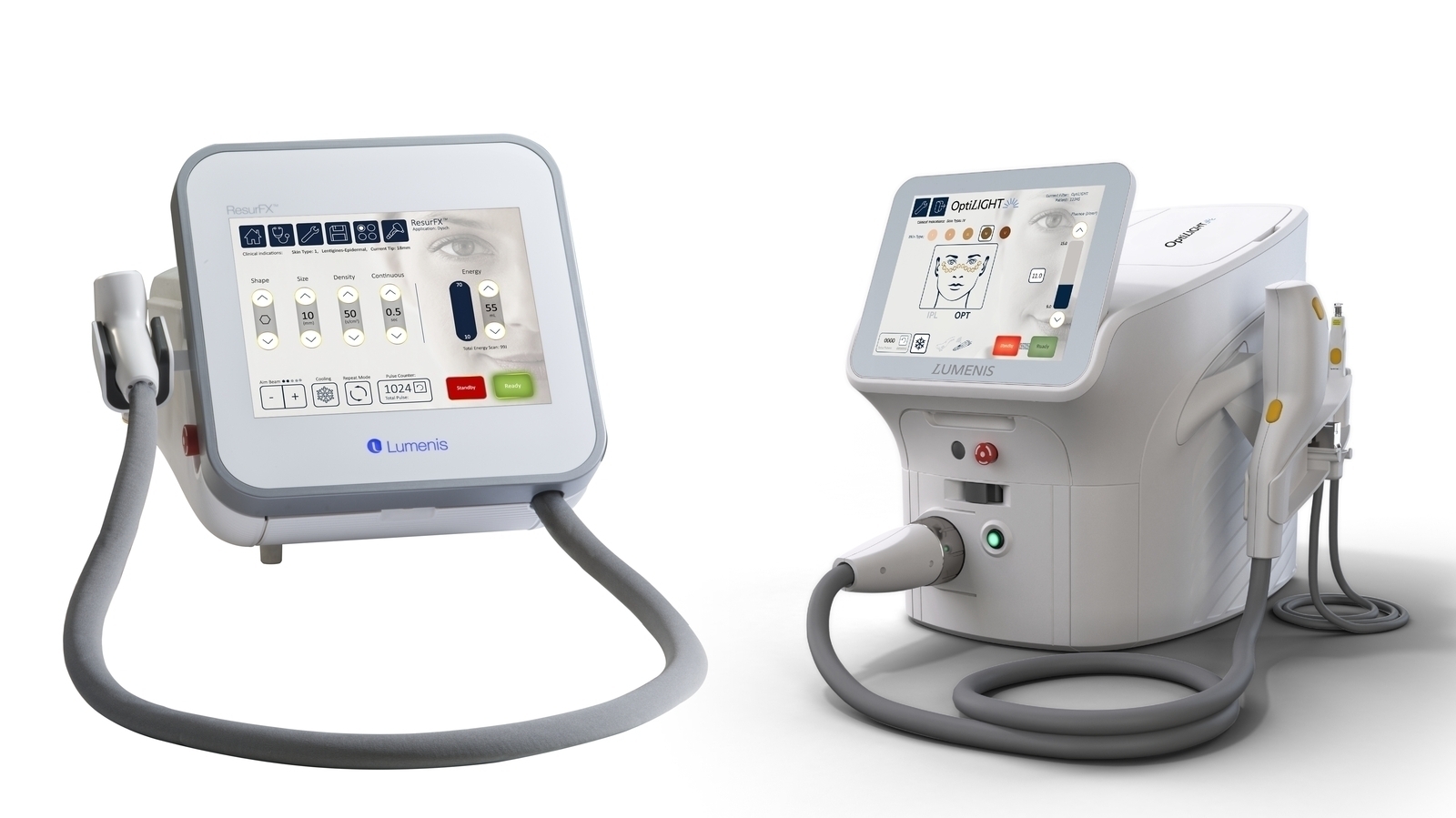
IPL
How does IPL therapy work?
IPL by OptiLIGHT from LUMENIS – the only FDA-cleared product – with Optimal Pulse Technology uses precise, gentle, intense broad spectrum light to address inflammation. Light pulses are applied to the periocular skin region. The light source targets abnormal blood vessels, liquefies hardened meibum, and kills bacteria contributing to inflammation. Treatment is combined with manual gland expression for optimal results, improving gland structure over 3 to 4 sessions.
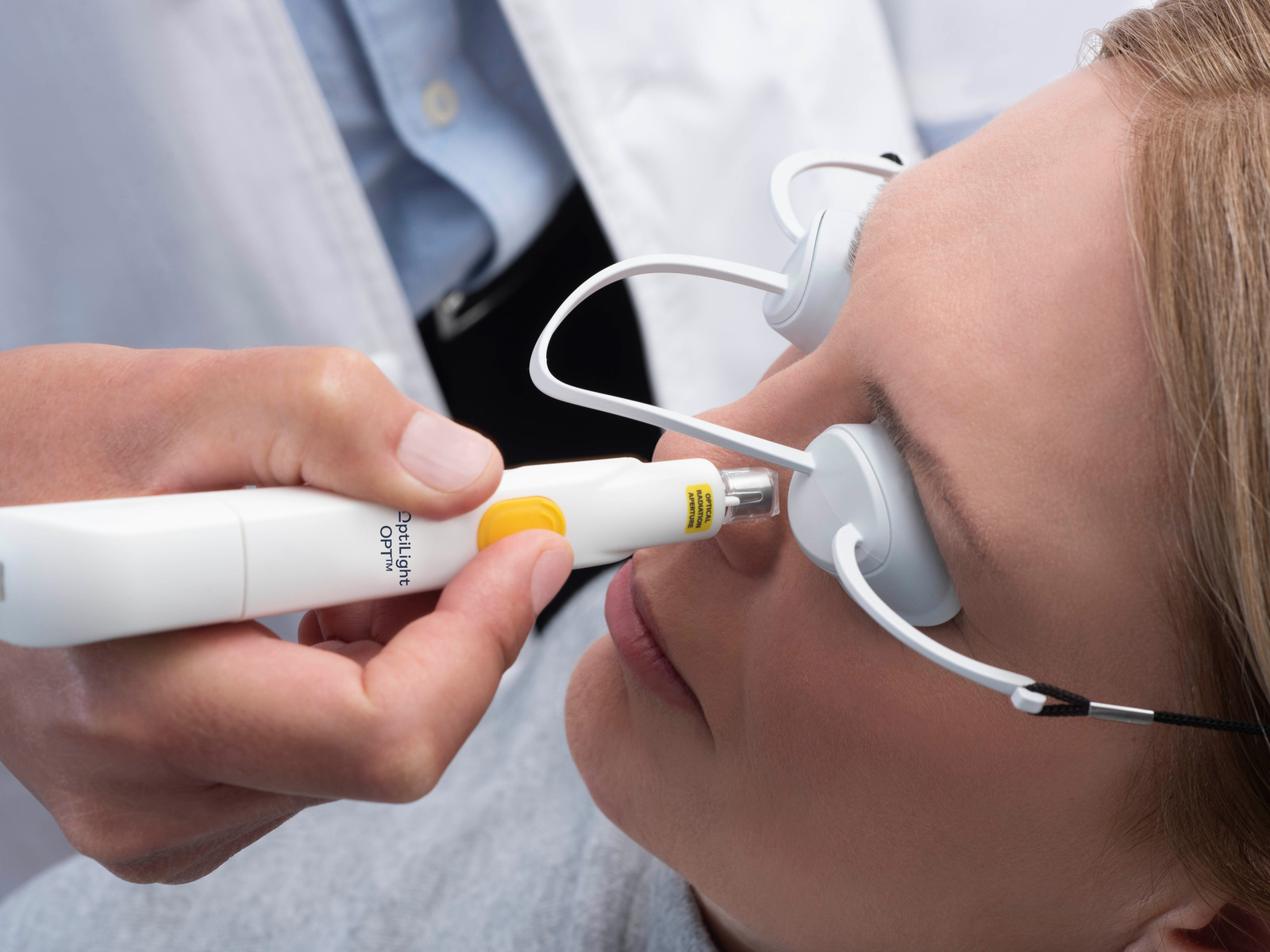
Procedure
How does a session work?
Before the session, the doctor conducts a medical interview, examines the skin, explains the treatment plan and determines the number of sessions (often a series of several treatments spaced a few weeks apart). A numbing cream may be applied, and then the doctor passes the IPL handpiece over the chosen area. The session usually lasts a few dozen minutes. Your eyes are specially protected throughout the procedure.
Sensations during and after
During the session, the patient may experience a sensation of warmth, slight tingling or moderate burning, but most people describe the treatment as generally well tolerated.
After the treatment, the skin is red and slightly swollen, like after a mild sunburn, and usually calms down within a few days.

Benefits
Benefits of IPL for MGD
- Rapid symptom relief: 70–80% improvement in dry eye scores after 2–3 sessions.
- Long-lasting effects: gland function restored for 6–12 months or longer.
- Safe for all skin types: filtered wavelengths avoid pigmentation risks.
- Multi-action: reduces Demodex mites, rosacea-related redness, and collarette buildup.
- Minimal downtime: resume activities immediately after treatment.
3–4
Recommended sessions
~15'
Session duration
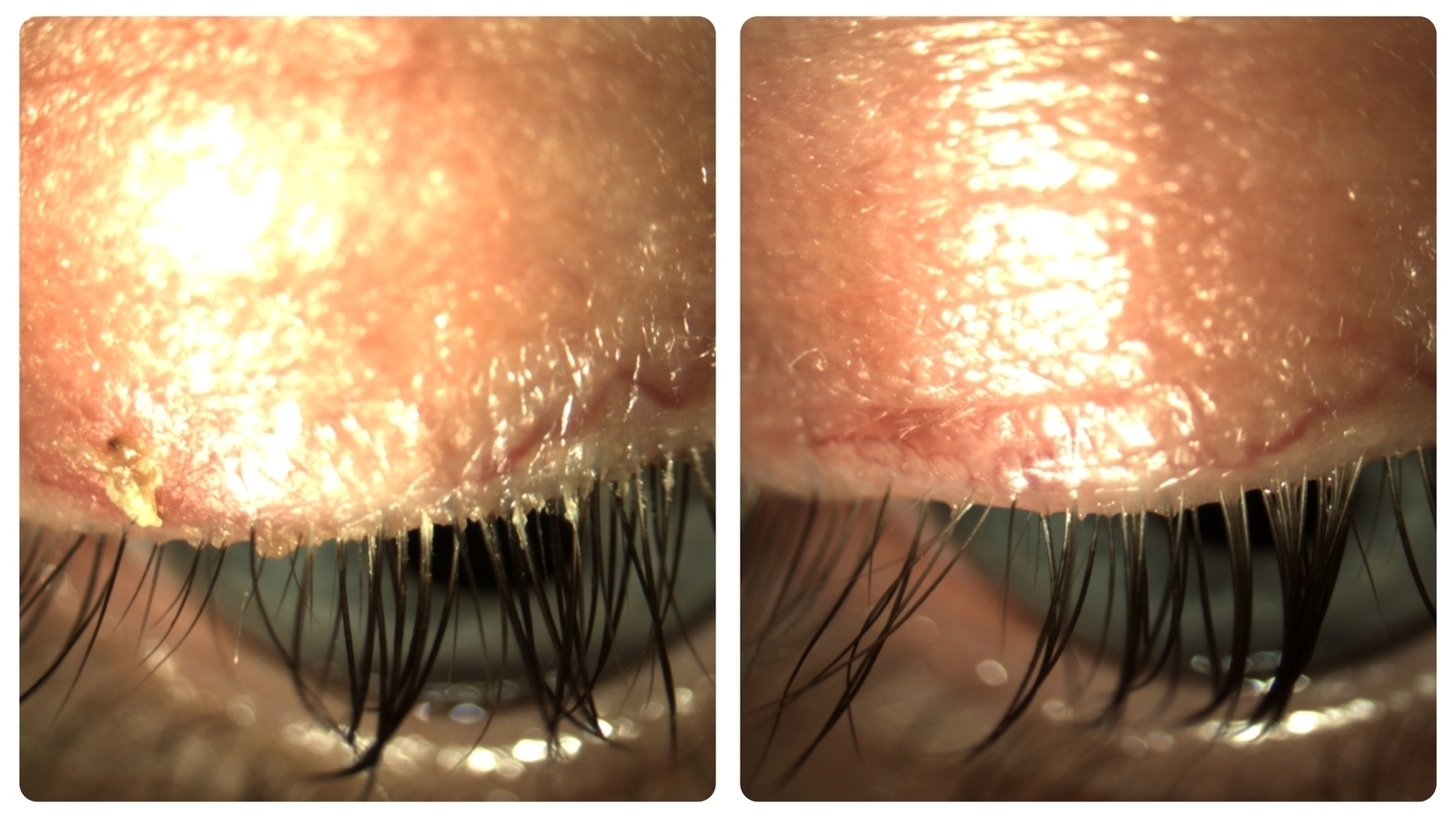

Safety
Main Contraindications
- Active ocular infection.
- Recent eye or facial surgery (less than 3 months).
- Photosensitive medications in use.
- Pregnancy.
If in doubt, always ask your doctor for individual advice.

Protocol
IPL Treatment Protocol
- Consultation: comprehensive eyelid exam, gland imaging, and personalised plan.
- Sessions: 4 treatments, 3–4 weeks apart, 15 minutes each.
- Adjuncts: warm compresses, lid hygiene, and omega-3 supplements.
- Follow-up: maintenance every 6–12 months as needed.
Is this treatment for you? YES, if you have:
- Moderate to severe MGD confirmed by gland expression.
- Chronic blepharitis unresponsive to artificial tears or antibiotics.
- Recurrent styes or chalazion.
- Associated rosacea or facial telangiectasia.

After Treatment
Post-session Recommendations
After the treatment, gentle skin hygiene and rigorous sun protection are essential. Local antibiotic therapy is sometimes mandatory.
Daily application of broad spectrum SPF 50+ sun protection and moisturising creams or mineral water spray for the face containing aloe vera extract, avoiding sun and UV booths for several weeks.
During the first 12–14 days, avoid hot baths, saunas, strenuous physical exertion and irritating cosmetics or exfoliating products, to allow the skin to regenerate properly.
Treatment Video
IPL for MGD & Chalazion Treatment
Downloads