IPL – Face
Removal of Broken Vessels & Pigmentation, Facial Skin Rejuvenation
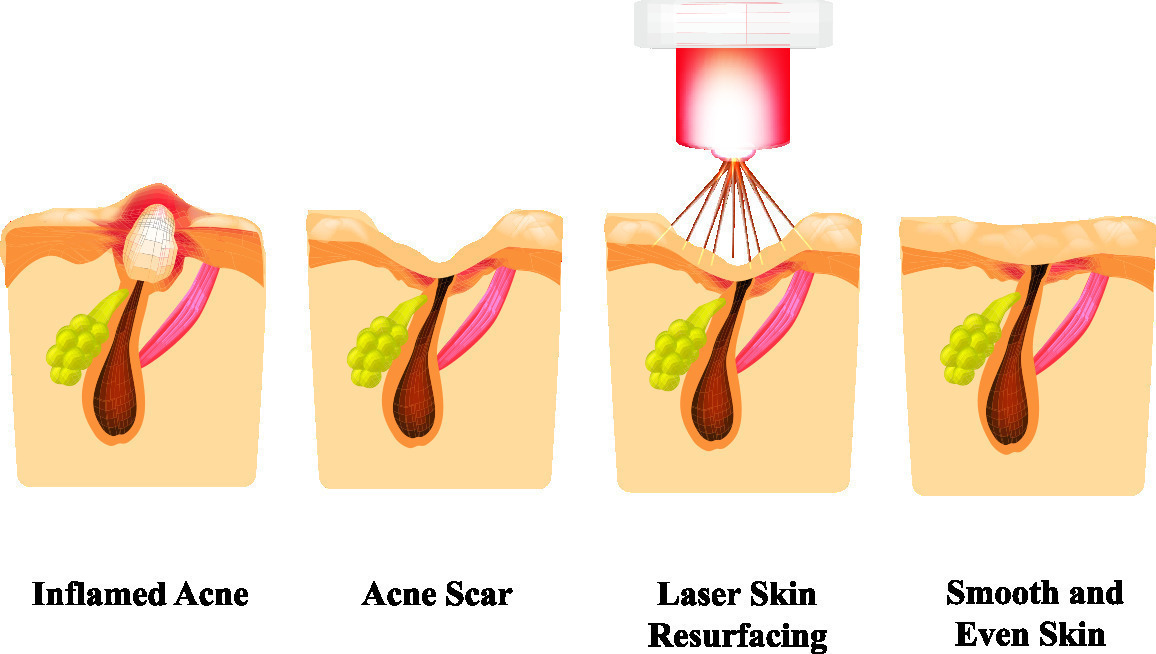
How it works
What is IPL?
The IPL technology (Intense Pulsed Light), using IPL by OptiLight — the only device in the world authorized by the FDA — is a modern and safe method that we are proud to offer our patients. IPL treatments effectively reduce visible blood vessels, pigmentation spots, and improve the overall texture and radiance of facial skin, restoring a healthy and refreshed appearance.
Thanks to the Optimal Pulse technology combined with the Sapphire Cool cooling system and Expert Filters, each session is both comfortable and highly effective.
Unlike traditional lasers, the IPL device emits a broad spectrum of light at different wavelengths. This light precisely targets only the skin structures that require treatment, while leaving the surrounding tissues unharmed.
The result is smoother, more even-toned, and naturally rejuvenated skin.
Procedure
What does the procedure look like, step by step?
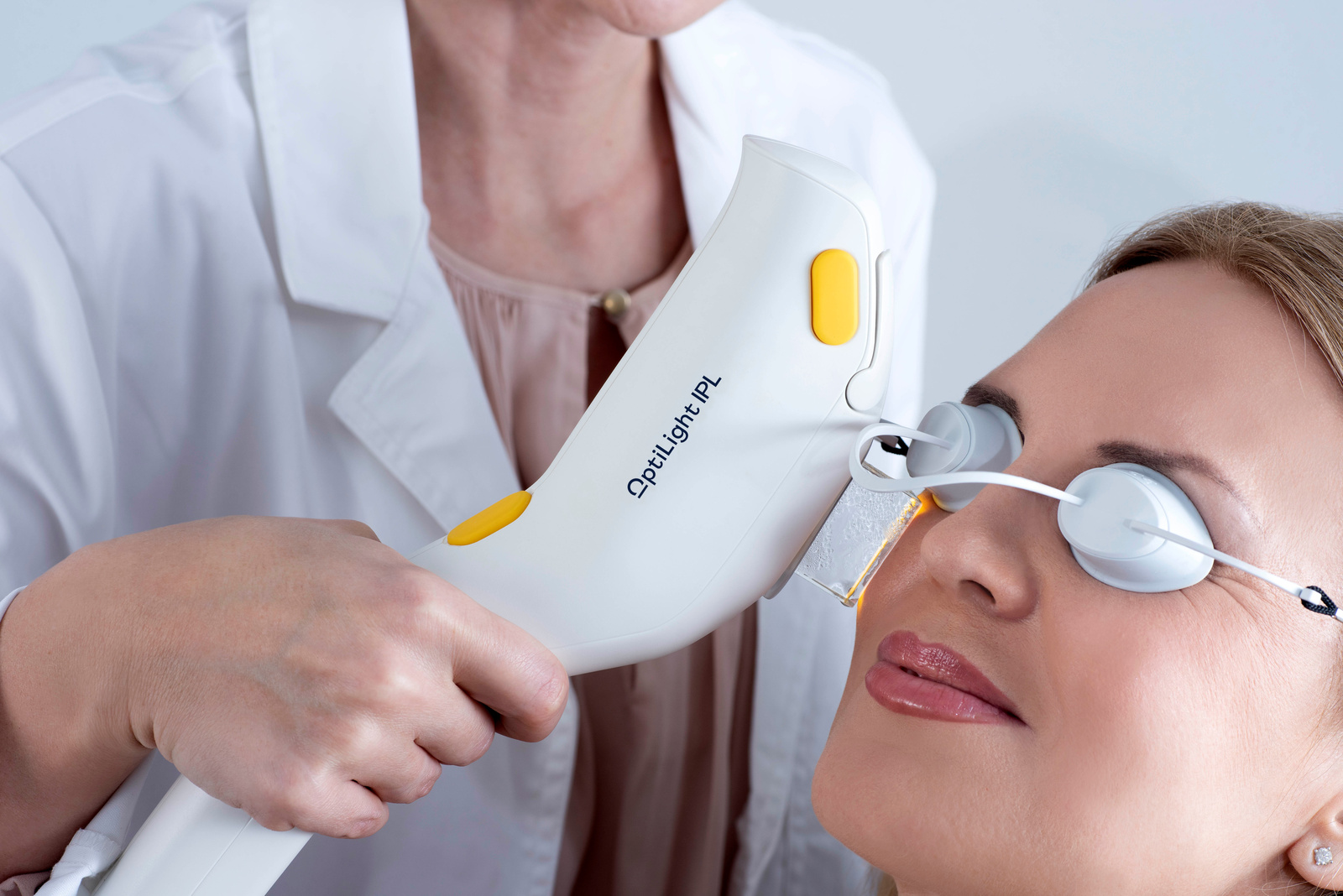
The first step of the procedure is to cleanse the facial skin, followed by the application of a cooling gel to the area to be treated. The patient is given special protective goggles. Next, the IPL device handpiece is applied to the skin, and a series of short flashes of light are delivered over the entire treated area.
The patient may feel warmth or slight tingling; the procedure is usually performed without the need for anaesthesia and takes approximately 20–30 minutes in total.
Results
What can you gain?
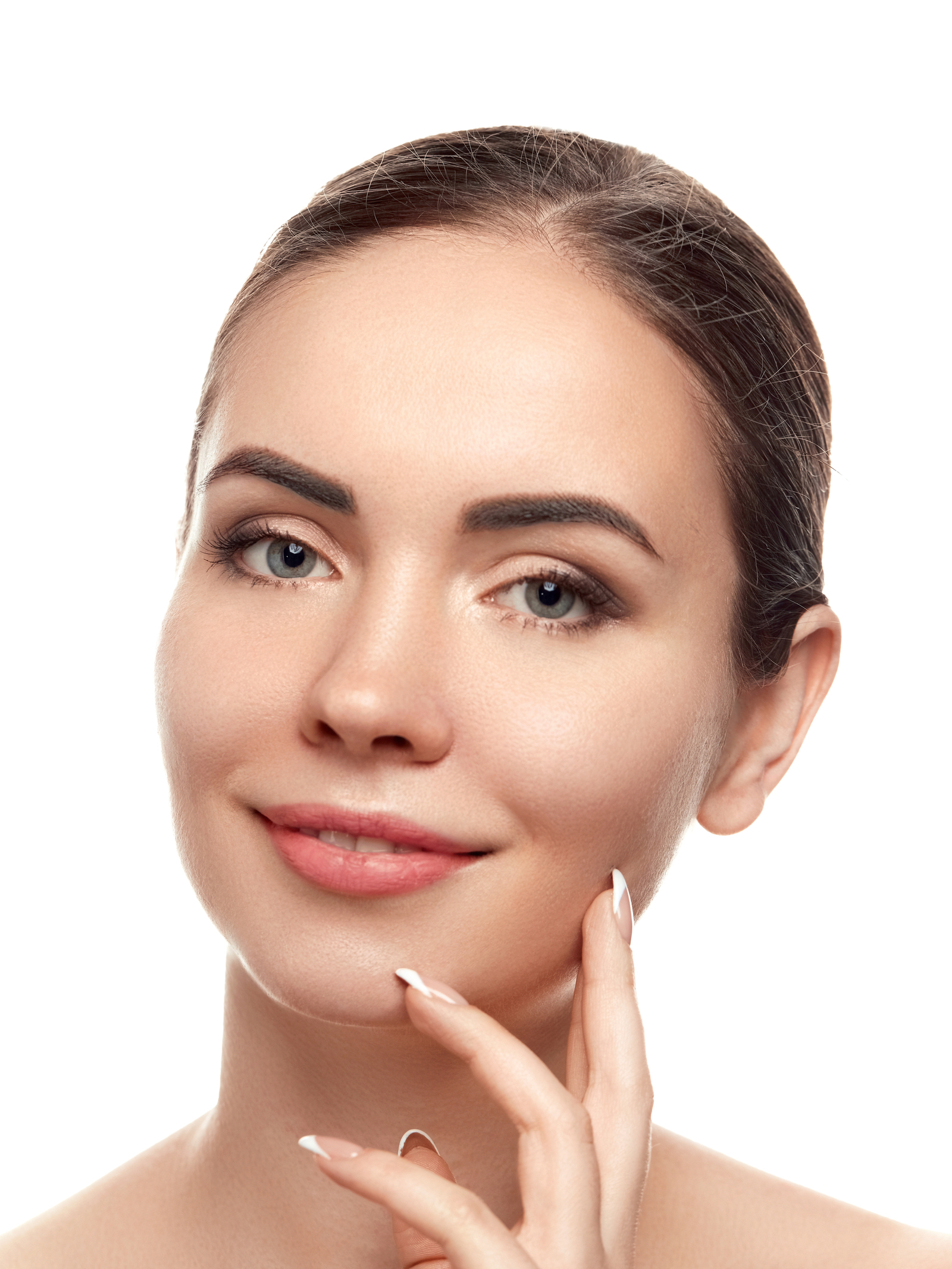
The IPL photorejuvenation treatment comprehensively eliminates all signs of skin ageing, vascular lesions (such as dilated capillaries, so‑called "spider veins," angiomas, rosacea, and redness‑prone skin), as well as various types of pigmentary changes (including discoloration, freckles, age spots, and sunspots).
3–5
Recommended sessions
~30'
Session duration

Safety
Contraindications
IPL therapy is a safe method — in our practice it is performed using the most advanced equipment, the only one authorized by the FDA (Food and Drug Administration). Before starting the therapy, the doctor will discuss in detail the potential benefits and any possible limitations.
Main contraindications:
- pregnancy,
- diabetes,
- epilepsy,
- vitiligo,
- psoriasis,
- active herpes infection,
- photosensitizing medications (taken within the last 2 weeks before the procedure),
- oral retinoid therapy (must be completed at least 6 months before the procedure).

Before the procedure
Preparation before the procedure
Before the session, a few simple precautions help maximise treatment safety and reduce the risk of irritation.
- discontinue the use of aspirin and anticoagulants at least 3 days before the procedure,
- avoid intense sun exposure for 4 weeks prior to treatment,
- stop using self-tanning creams 1 week before the procedure,
- discontinue creams containing retinol or vitamin C 2 weeks before the procedure,
- stop using herbal products such as St. John's wort, marigold, and similar herbs 2 weeks before the procedure,
- do not use exfoliating products or peels 1 week before the procedure,
- avoid consuming alcohol 24 hours before the procedure.
After the procedure
Aftercare instructions
Immediately after the procedure, the skin may appear red and slightly swollen. A sensation of warmth or mild burning is normal. Skin tenderness may persist from a few hours up to several days.
- take special care of the treated areas for about 3–5 days,
- avoid exposing the treated skin to direct sunlight for approximately 4 weeks,
- use sunscreens with SPF 50 protection,
- for about 2 weeks after the procedure, avoid using peels, exfoliating products, or self‑tanning creams,
- immediately after the procedure, avoid cosmetic products containing alcohol and other potentially irritating substances such as perfumes, deodorants, or soaps,
- avoid hot baths and saunas for approximately 2 weeks,
- avoid consuming alcohol for 48 hours.
Treatment video